Best Agribusiness Management Colleges in India: A Complete Guide to Choosing the Right MBA in Agribusiness
Introduction
Agriculture is no longer just about growing crops. It has evolved into one of the world’s largest and most dynamic industries, combining technology, finance, sustainability, food processing, supply chain management, exports, retail, and data-driven decision-making. As India continues to strengthen its position as a global agricultural powerhouse, the demand for professionals who understand both agriculture and business has never been greater.
This shift has transformed Agribusiness Management into one of the most promising career choices for students from agriculture, life sciences, veterinary sciences, food technology, biotechnology, engineering, commerce, and management backgrounds.
An MBA in Agribusiness is no longer considered a niche programme. Today, leading agribusiness companies, food processing firms, agri-tech startups, banks, consulting firms, input companies, and government-backed organizations are actively recruiting professionals who can bridge the gap between agricultural production and business strategy.
For students planning their future, one of the biggest questions is:
Which is the best Agribusiness Management college in India?
The answer isn’t as simple as looking at a ranking or choosing the oldest institution. The best college is one that aligns with your career goals, offers strong industry exposure, provides quality learning opportunities, and prepares you for the rapidly changing agricultural landscape.
This guide explains everything you need to know before choosing an Agribusiness Management college in India—from career opportunities and industry trends to placements, curriculum, and the qualities that truly matter when selecting a business school.

Why Agribusiness Is One of India’s Fastest-Growing Industries
Agriculture contributes significantly to India’s economy and supports the livelihood of millions of people. Yet, the industry today is undergoing a major transformation.
Rapid urbanization, increasing food demand, climate challenges, digital technologies, government initiatives, and changing consumer preferences are reshaping the agricultural ecosystem.
The sector is no longer limited to farming.
It now includes:
- Food Processing
- Agri Technology
- Precision Farming
- Farm Mechanization
- Agricultural Finance
- Supply Chain & Logistics
- Retail & E-commerce
- Commodity Trading
- Dairy Business
- Poultry Management
- Fisheries
- Seed Industry
- Fertilizer Industry
- Crop Protection
- Export Business
- Sustainable Agriculture
- Agri Consulting
- Farm Advisory Services
This diversification has created a significant demand for professionals who understand markets, operations, finance, marketing, technology, and agricultural systems.
That is exactly where an MBA in Agribusiness creates value.
What Is an MBA in Agribusiness?
An MBA in Agribusiness combines traditional management education with specialized knowledge of the agricultural and food sectors.
Unlike a conventional MBA, students learn how businesses operate across the agricultural value chain—from production to processing, distribution, retail, exports, and international trade.
The programme develops skills in:
- Marketing Management
- Rural Marketing
- Agricultural Economics
- Food Supply Chains
- Finance
- Business Analytics
- Operations Management
- Agribusiness Strategy
- Commodity Markets
- International Trade
- Sustainability
- Leadership
- Entrepreneurship
Students graduate with a strong understanding of both business principles and the realities of India’s agricultural ecosystem.
Why More Students Are Choosing Agribusiness Management
Over the last decade, career preferences have changed significantly.
Many students who once considered only engineering or general MBA programmes are now exploring specialized management degrees that offer stronger industry alignment.
Agribusiness Management has emerged as one of these opportunities.
Some of the key reasons include:
Diverse Career Opportunities
Graduates are no longer restricted to agricultural companies.
Today they work in:
- FMCG companies
- Food processing organizations
- Agri-tech startups
- Banks
- Insurance companies
- Retail chains
- Export houses
- Commodity exchanges
- Consulting firms
- Government organizations
- Development agencies
- International NGOs
- Corporate agribusiness firms
This diversity provides flexibility throughout a professional career.
India’s Expanding Food Economy
India is one of the world’s largest producers of cereals, fruits, vegetables, milk, spices, and several other agricultural commodities.
As consumption patterns evolve and global demand grows, businesses require skilled managers capable of building efficient supply chains, improving productivity, and expanding market access.
The need for trained agribusiness professionals is expected to continue growing over the coming decade.
Rise of Agri-Tech
Technology is transforming agriculture faster than ever before.
Modern agriculture increasingly relies on:
- Artificial Intelligence
- Drones
- IoT sensors
- Satellite monitoring
- Precision irrigation
- Data analytics
- Farm management software
- Digital marketplaces
- Mobile advisory platforms
Companies developing these innovations require professionals who understand both technology and agriculture while also possessing strong business acumen.
Increasing Investment
Private investment in agriculture has accelerated across multiple sectors.
Major investments are flowing into:
- Food processing
- Cold chain infrastructure
- Warehousing
- Precision farming
- Digital agriculture
- Seed technology
- Farm equipment
- Export-oriented agriculture
This has created new roles in sales, marketing, finance, operations, business development, product management, and strategic planning.
Who Should Pursue an MBA in Agribusiness?
Many students believe this programme is only for B.Sc. Agriculture graduates.
In reality, it welcomes candidates from diverse educational backgrounds.
It is particularly suitable for:
- B.Sc. Agriculture
- Horticulture
- Forestry
- Veterinary Science
- Dairy Technology
- Fisheries
- Biotechnology
- Food Technology
- Agricultural Engineering
- Commerce
- Economics
- Life Sciences
- Management
- Rural Studies
Students interested in sustainability, food systems, entrepreneurship, rural development, and agricultural innovation also find the programme highly rewarding.
Skills You’ll Develop During an Agribusiness MBA
Success in modern agribusiness requires much more than technical agricultural knowledge.
A good business school helps students build practical, leadership-oriented skills such as:
- Strategic thinking
- Business communication
- Financial analysis
- Market research
- Consumer behaviour analysis
- Digital marketing
- Supply chain optimization
- Team leadership
- Data-driven decision making
- Negotiation
- Project management
- Problem-solving
- Entrepreneurial thinking
These capabilities prepare graduates for leadership roles across industries.
Career Opportunities After an MBA in Agribusiness
One of the biggest strengths of this programme is the variety of career paths available after graduation.
Depending on interests and specialization, graduates may work in:
Sales & Marketing
Helping agribusiness companies expand markets, strengthen dealer networks, launch products, and drive business growth.
Supply Chain & Operations
Managing procurement, warehousing, logistics, inventory, cold chain systems, and distribution.
Commodity Trading
Working with agricultural commodities, price analysis, procurement, exports, and market intelligence.
Banking & Agricultural Finance
Supporting farmers, agribusinesses, and rural enterprises through financial products, credit assessment, and business development.
Food Processing
Managing production planning, sourcing, quality systems, branding, and product commercialization.
Rural Marketing
Designing marketing strategies that address the needs of India’s diverse rural markets.
Business Development
Identifying growth opportunities, building partnerships, and driving market expansion.
Consulting
Helping businesses improve operational efficiency, supply chains, profitability, and market strategy.
Entrepreneurship
Many graduates establish their own ventures in areas such as agri-tech, food brands, farm services, exports, digital agriculture, input distribution, and value-added products.
Why Choosing the Right College Matters
An MBA is one of the most significant investments in a student’s career.
The right institution does much more than award a degree—it shapes professional confidence, industry exposure, leadership skills, and long-term career growth.
A strong Agribusiness Management school should provide:
- Experienced faculty
- Industry-oriented curriculum
- Live business projects
- Corporate internships
- Strong placement support
- Industry collaborations
- Leadership development
- Entrepreneurship opportunities
- Alumni network
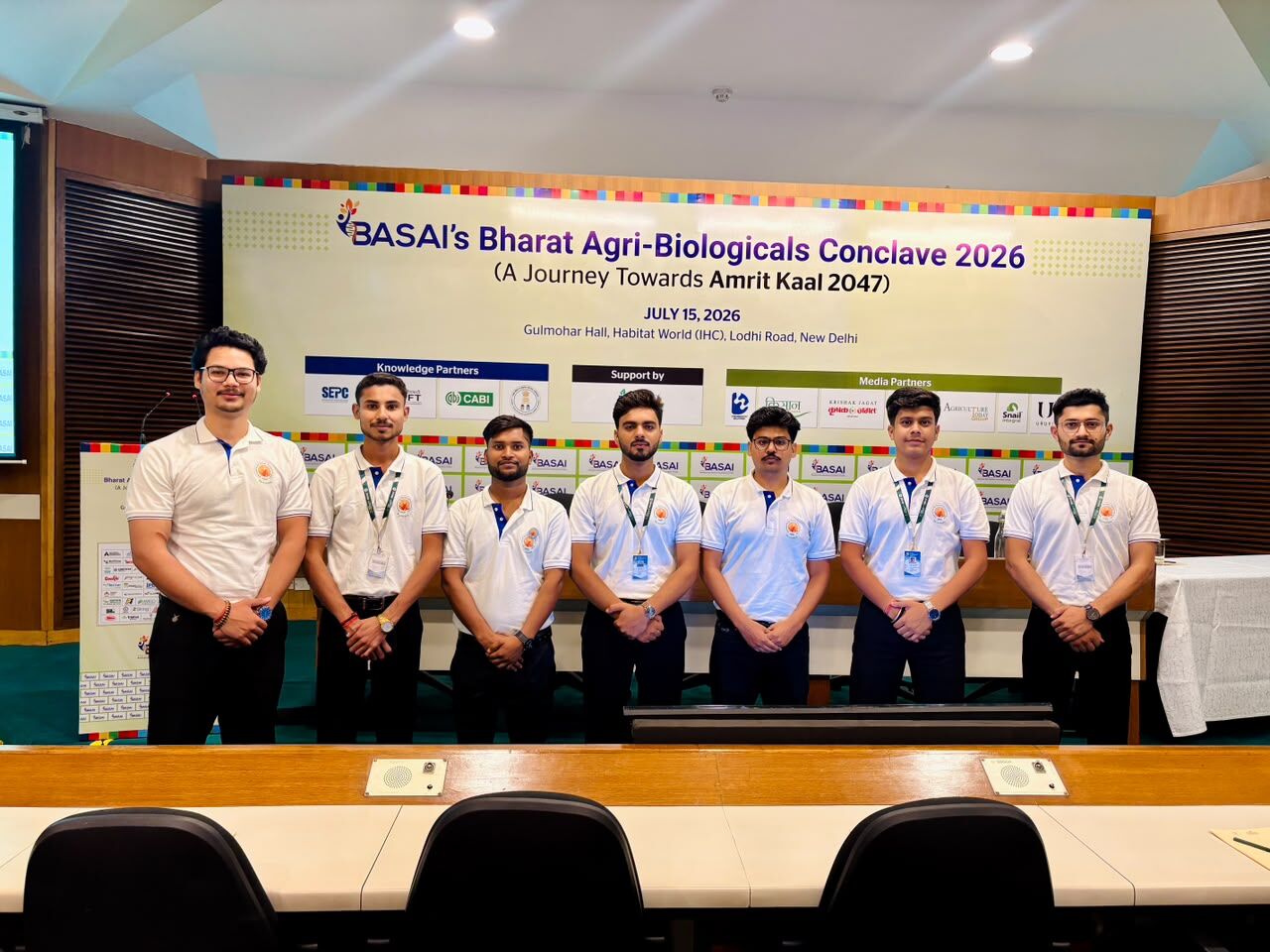
- Practical exposure through field visits and business interactions
Choosing a college based solely on fees or advertising often leads to missed opportunities. Students should instead evaluate how effectively the institution prepares them for the realities of the agribusiness sector.
How to Choose the Right Agribusiness Management College in India
Choosing an MBA college is one of the most important career decisions you’ll make. The institution you select will influence not only the knowledge you gain but also your professional network, practical exposure, internship opportunities, placements, and long-term career growth.
With several institutions now offering MBA or PGDM programmes in Agribusiness Management, students often rely on rankings alone. While rankings can be useful, they don’t always tell the complete story. Every student has different aspirations, and the best college is one that aligns with those goals.
Before applying, evaluate a college using the following parameters.
- Industry-Relevant Curriculum
Agribusiness is evolving rapidly. A curriculum designed a decade ago may no longer prepare students for today’s industry.
A good Agribusiness Management programme should combine core management subjects with agriculture-specific knowledge.
Look for subjects such as:
- Agribusiness Management
- Agricultural Economics
- Rural Marketing
- Agri Supply Chain Management
- Commodity Markets
- Agricultural Finance
- Food Processing Management
- Business Analytics
- Digital Marketing
- International Trade
- Sustainability
- Agri Export Management
- Entrepreneurship
- Strategic Management
The best programmes regularly update their curriculum based on industry needs rather than following a static academic model.
- Learning Beyond the Classroom
Management education cannot be limited to lectures.
Students develop confidence and practical skills through real-world exposure.
A quality Agribusiness Management college should provide opportunities for:
- Live business projects
- Rural immersion programmes
- Industry visits
- Corporate internships
- Case study discussions
- Field surveys
- Business simulations
- Group presentations
- Research assignments
- Industry interactions
These experiences help bridge the gap between academic knowledge and professional expectations.
- Strong Industry Connections
One of the biggest advantages of pursuing an MBA is access to industry.
Institutions with active corporate relationships often provide students with better internships, guest lectures, live projects, and placement opportunities.
A strong industry network may include collaborations with:
- Agribusiness companies
- Food processing firms
- Dairy organizations
- Seed companies
- Fertilizer manufacturers
- Crop protection companies
- Agri-tech startups
- Banks
- Insurance companies
- Export organizations
- FMCG companies
Students benefit when industry leaders regularly interact with the campus through seminars, workshops, and mentorship sessions.
- Faculty with Industry Experience
Experienced faculty members add tremendous value to management education.
Beyond academic qualifications, look for institutions where faculty members have practical exposure to agribusiness, consulting, research, marketing, finance, or entrepreneurship.
Faculty who bring real business experiences into the classroom make learning more relevant and application-oriented.
- Internship Opportunities
Internships are often the first step towards a successful career.
A meaningful internship allows students to:
- Understand corporate culture
- Solve real business problems
- Build professional confidence
- Develop communication skills
- Learn industry practices
- Expand their professional network
Many students receive pre-placement offers based on their internship performance.
When evaluating a college, ask about:
- Internship duration
- Companies participating
- Nature of projects
- Faculty mentoring
- Student outcomes
- Placement Support
Placements remain one of the most important considerations for MBA aspirants.
Rather than focusing only on the highest salary package, students should evaluate:
- Placement percentage
- Number of recruiting companies
- Diversity of recruiters
- Average salary
- Median salary
- Career progression of alumni
- Placement support services
- Soft skills training
- Interview preparation
- Resume building
A consistent placement record across multiple batches is often more meaningful than one exceptional year.
- Alumni Success
An institution’s alumni reflect the long-term value of its education.
Successful alumni working in leadership positions across agriculture, food processing, banking, consulting, exports, retail, and agritech indicate that the programme has created lasting career impact.
Before selecting a college, explore:
- Alumni profiles on LinkedIn
- Leadership positions held
- Career growth
- Entrepreneurial ventures
- Industry diversity
A strong alumni network also creates valuable mentoring and networking opportunities.
- Exposure to Emerging Technologies
Agriculture is becoming increasingly technology-driven.
Modern agribusiness professionals are expected to understand:
- Artificial Intelligence
- Precision Agriculture
- Drones
- Satellite Monitoring
- IoT-enabled Farming
- Farm Data Analytics
- Blockchain Traceability
- Digital Marketplaces
- Automation
- Climate-smart Agriculture
Colleges that expose students to these technologies better prepare them for future leadership roles.
- Entrepreneurship Ecosystem
India’s startup ecosystem is creating exciting opportunities in agriculture.
Students interested in entrepreneurship should look for institutions that encourage innovation through:
- Incubation centres
- Startup mentoring
- Business plan competitions
- Investor interactions
- Innovation labs
- Industry mentorship
- Entrepreneurship courses
Whether students choose employment or entrepreneurship, entrepreneurial thinking remains a valuable skill.
- Return on Investment (ROI)
MBA education should be viewed as a long-term investment.
Instead of comparing only tuition fees, consider the overall value offered by the institution.
A good ROI depends on several factors:
- Quality of education
- Industry exposure
- Placement opportunities
- Career growth
- Alumni network
- Leadership development
- Professional skills
Sometimes a programme with a moderate fee and strong career outcomes offers better long-term value than a more expensive alternative.
What Employers Expect from Agribusiness MBA Graduates
Recruiters today are looking beyond academic scores.
They value graduates who demonstrate:
- Leadership potential
- Communication skills
- Analytical thinking
- Business understanding
- Adaptability
- Problem-solving ability
- Teamwork
- Digital literacy
- Customer orientation
- Ethical decision-making
Students who actively participate in internships, industry projects, competitions, and leadership activities often stand out during recruitment.
Agribusiness Careers: Industries That Hire MBA Graduates
One of the strengths of an MBA in Agribusiness is the diversity of sectors where graduates can build rewarding careers.
Agri Input Companies
Organizations involved in seeds, fertilizers, crop protection products, farm equipment, and agricultural technologies require professionals in sales, marketing, product management, and business development.
Food Processing Companies
India’s food processing industry is expanding rapidly, creating opportunities in operations, procurement, quality management, supply chain, branding, and marketing.
FMCG Companies
Many consumer goods companies recruit Agribusiness graduates for rural marketing, distribution management, sourcing, procurement, and channel development.
Agri-Tech Startups
The Indian startup ecosystem is transforming agriculture through technology.
Companies working on farm automation, digital marketplaces, precision agriculture, AI-based advisory platforms, financial services, and supply chain optimization are actively hiring management graduates.
Banking and Financial Institutions
Banks and rural financial institutions recruit graduates for agricultural lending, rural banking, relationship management, risk assessment, and financial inclusion initiatives.
Commodity Trading and Exports
India is a major exporter of agricultural products.
Professionals with expertise in procurement, market analysis, logistics, compliance, and international trade are increasingly in demand.
Development Sector
International development organizations, NGOs, producer organizations, cooperatives, and government projects also recruit Agribusiness professionals to improve rural livelihoods, sustainability, and market access.
Does Every Student Need the Same College?
Not necessarily.
Different students have different aspirations.
For example:
- A student interested in corporate sales may prioritize placement opportunities and industry exposure.
- Someone planning to build an agri-tech startup may value innovation, entrepreneurship support, and mentoring.
- A candidate interested in research or higher studies may focus more on academic excellence and faculty expertise.
- Students from farming backgrounds may seek programmes that combine business education with practical agricultural understanding.
The right college is the one that aligns with your individual goals rather than simply appearing higher in a ranking list.
Acharyapuram Agri Business Management School: A Modern Approach to Agribusiness Education
As students evaluate Agribusiness Management institutions, it is worth considering schools that focus on combining academic learning with industry relevance.
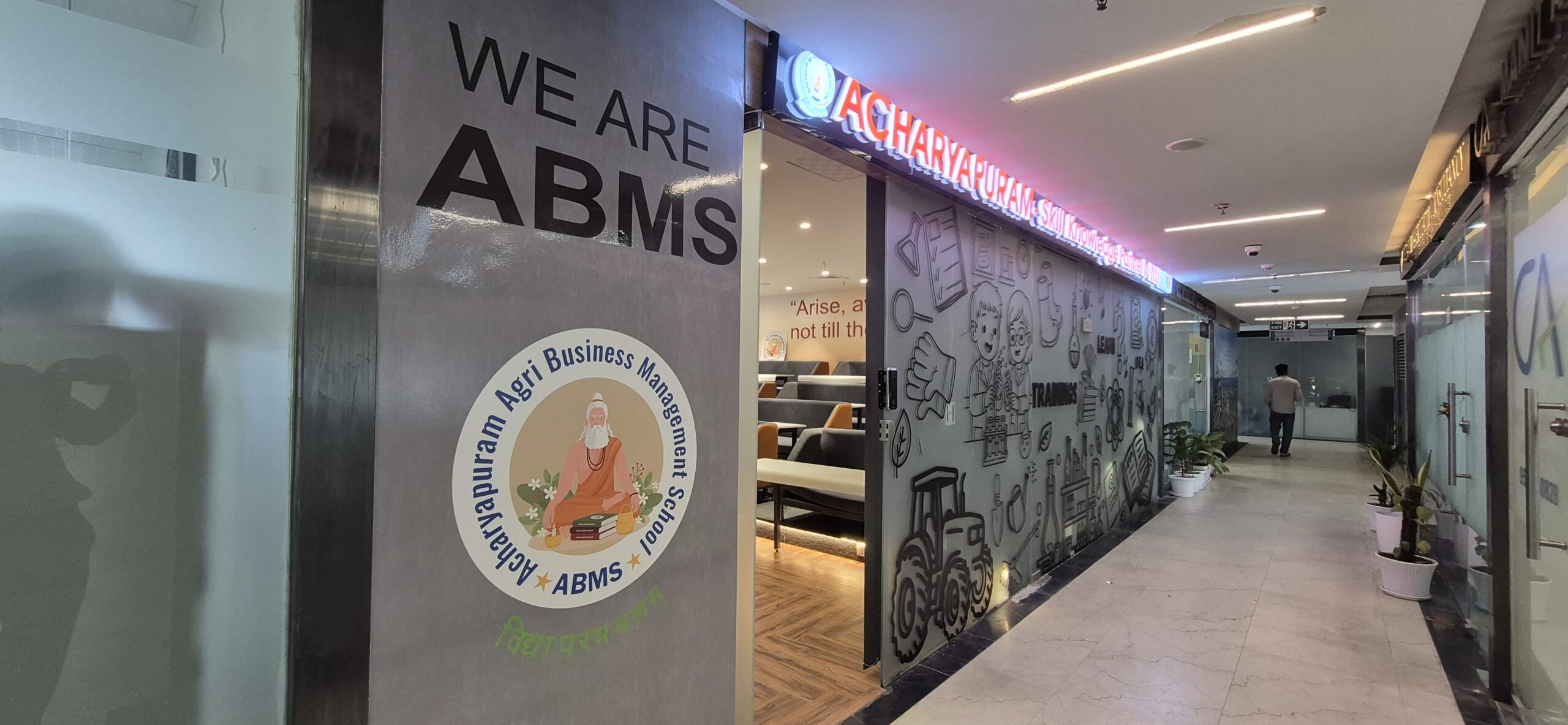
Acharyapuram Agri Business Management School (ABMS) has been established with the vision of preparing future agribusiness leaders through a balanced approach to management education, practical exposure, and professional development.
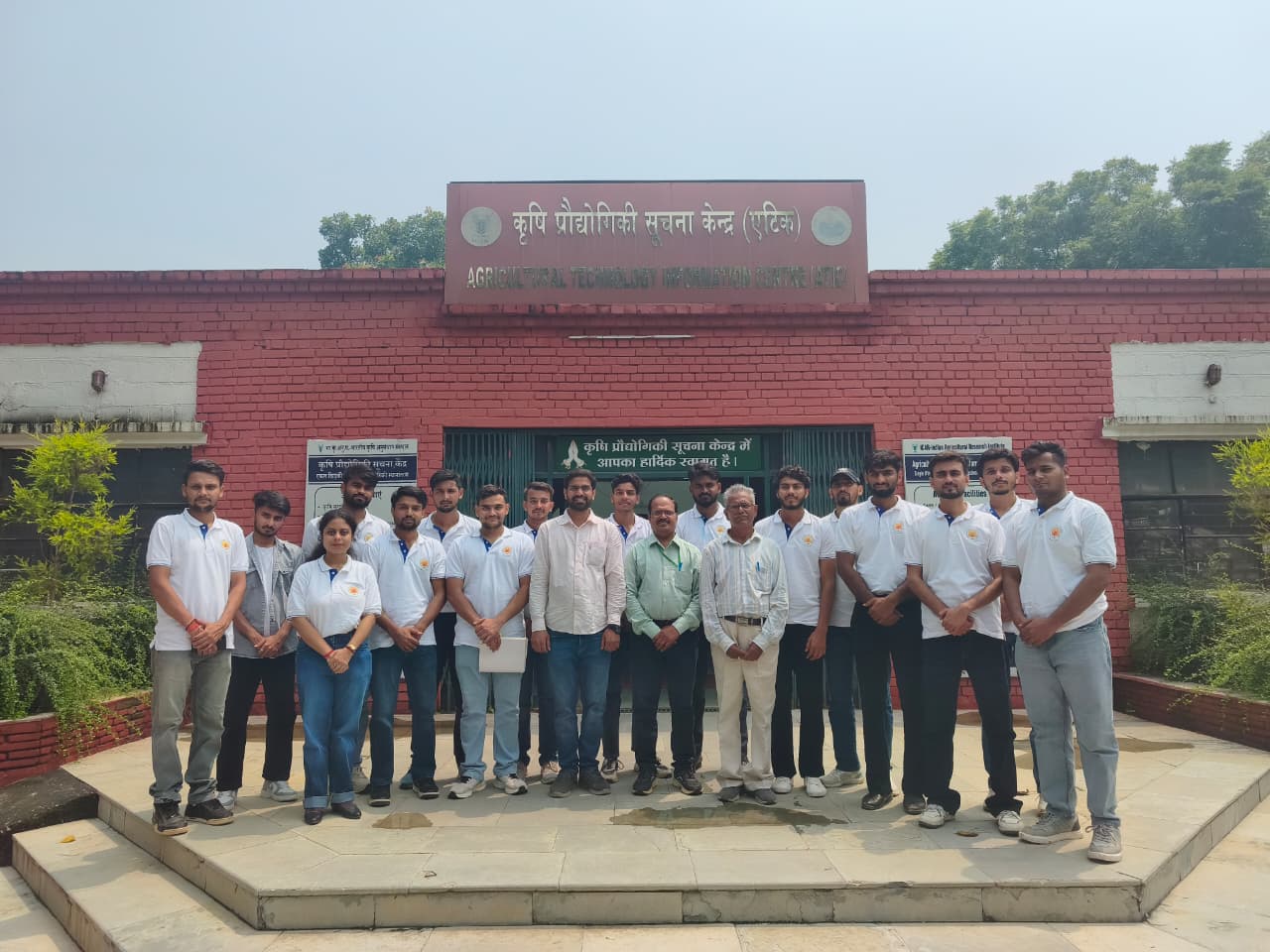
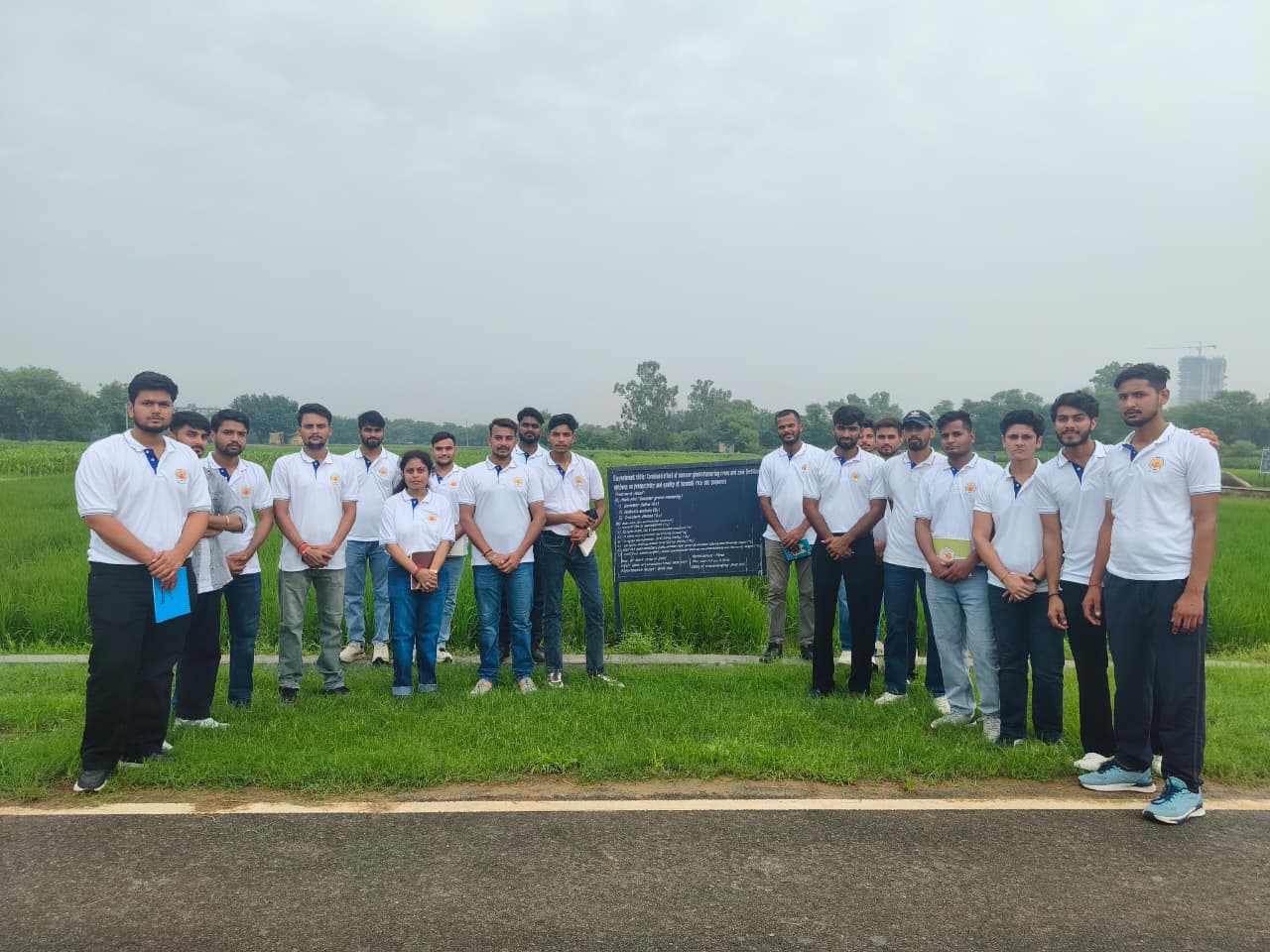
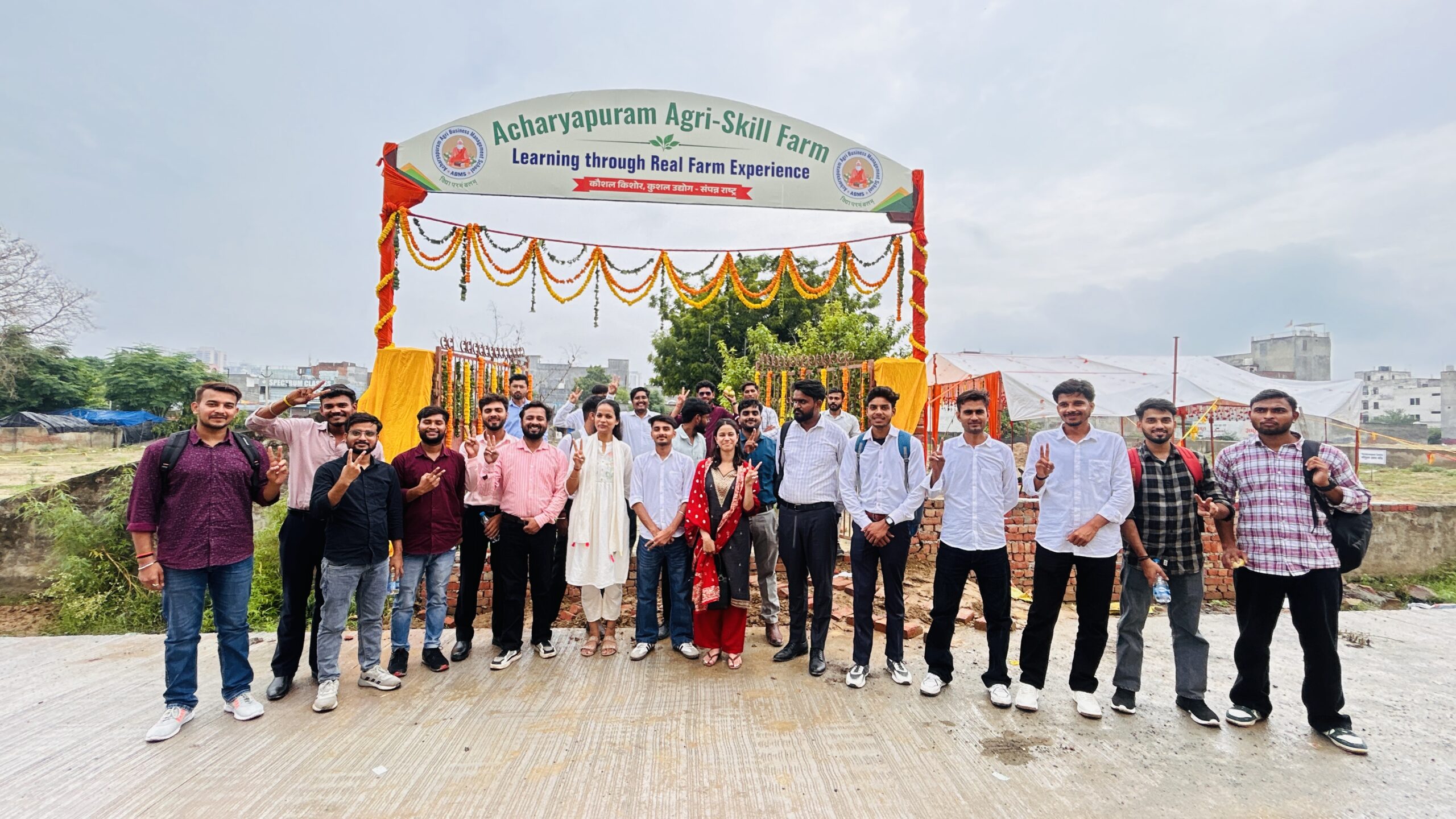
The institution emphasizes learning that goes beyond textbooks by encouraging students to engage with industry experts, business case studies, field visits, internships, and skill development initiatives. This approach helps learners understand the realities of India’s agricultural ecosystem while building managerial capabilities that employers increasingly seek.
Students considering ABMS should evaluate the programme in the same way they would assess any leading business school—by reviewing the curriculum, faculty expertise, corporate exposure, placement support, alumni outcomes, infrastructure, and learning environment. Making an informed decision based on these parameters ensures that the chosen institution aligns with individual career aspirations.
Looking Ahead
The Agribusiness sector is entering an exciting phase shaped by technology, sustainability, changing consumer preferences, global trade, and policy reforms. For students who choose the right institution and actively develop their skills, the opportunities extend far beyond traditional agriculture into leadership roles across multiple industries.
In the next section, we’ll explore the future of Agribusiness in India, emerging trends such as AI and climate-smart agriculture, salary expectations, common myths about Agribusiness MBAs, frequently asked questions, and why this field is expected to become one of the most dynamic career choices over the next decade.
The Future of Agribusiness in India: Why the Next Decade Will Be Different
Agriculture is entering one of the most exciting phases in its history. While farming has always been central to India’s economy, the sector is now evolving into a technology-enabled, market-driven and globally connected industry. Businesses are investing in innovation, governments are strengthening agricultural infrastructure, and consumers are demanding safer, healthier and more sustainable food.
This transformation is creating opportunities that did not exist a decade ago.
For students pursuing an MBA in Agribusiness, the future extends far beyond traditional agriculture. Tomorrow’s professionals will work at the intersection of business, technology, sustainability and global trade.
Key Trends That Will Shape Agribusiness Careers
- Artificial Intelligence in Agriculture
Artificial Intelligence (AI) is changing the way agricultural decisions are made.
AI-powered solutions are helping farmers and businesses:
- Predict crop diseases before they spread.
- Forecast yields more accurately.
- Optimize irrigation schedules.
- Improve fertilizer usage.
- Reduce operational costs.
- Monitor crop health using satellite imagery.
For MBA graduates, AI creates opportunities in product management, business strategy, analytics, marketing and technology adoption.
- Precision Farming
Precision farming uses technology to ensure that crops receive the right amount of water, nutrients and protection at the right time.
This approach improves productivity while reducing input costs and environmental impact.
Professionals who understand both business and precision agriculture will play a key role in scaling these solutions across India.
- Agri-Tech Startups
India has witnessed remarkable growth in Agri-Tech startups over the past few years.
These companies are working on:
- Digital marketplaces
- Farm advisory platforms
- Smart irrigation
- Drone services
- Supply chain optimization
- Financial inclusion
- Farm mechanization
- Input marketplaces
- Market intelligence
MBA graduates are increasingly joining these startups in roles involving business development, marketing, operations, strategy and investor relations.
- Food Processing and Value Addition
India produces enormous quantities of agricultural commodities, but significant value is created after harvest.
Food processing, packaging, branding, exports and retail offer tremendous career opportunities for management professionals.
As consumer demand for packaged and processed foods continues to grow, businesses require managers who understand procurement, quality, logistics and market strategy.
- Sustainable Agriculture
Climate change is influencing how agriculture is practiced across the world.
Future agribusiness leaders will focus on:
- Water conservation
- Regenerative agriculture
- Carbon-efficient farming
- Renewable energy
- Circular economy
- Sustainable supply chains
- Climate-smart agriculture
Organizations increasingly seek professionals who can balance profitability with environmental responsibility.
Salary Expectations After an MBA in Agribusiness
Salary depends on several factors, including the institution, specialization, academic performance, internship experience, communication skills and employer.
Typical entry-level roles include:
- Management Trainee
- Business Development Executive
- Sales Officer
- Marketing Executive
- Procurement Executive
- Supply Chain Executive
- Rural Marketing Officer
- Commodity Analyst
With experience, professionals often progress to positions such as:
- Area Sales Manager
- Regional Business Manager
- Product Manager
- Brand Manager
- Procurement Manager
- Supply Chain Manager
- Marketing Manager
- Business Head
- General Manager
- Vice President
Career growth in Agribusiness is often influenced more by performance and leadership capabilities than by specialization alone.
Skills That Will Differentiate Future Leaders
The future belongs to professionals who combine business knowledge with adaptability.
Some of the most valuable skills include:
- Critical thinking
- Business analytics
- Financial planning
- Data interpretation
- Leadership
- Communication
- Negotiation
- Digital marketing
- Customer relationship management
- Strategic planning
- Cross-functional collaboration
- Innovation and problem-solving
Students who continuously upgrade these skills are likely to enjoy faster career progression.
Common Myths About an MBA in Agribusiness
Myth 1: It is only for students from farming backgrounds.
Reality: Students from agriculture, commerce, engineering, biotechnology, food technology, economics and several other disciplines pursue successful careers in Agribusiness.
Myth 2: Jobs are limited to rural areas.
Reality: Agribusiness professionals work in metropolitan cities, corporate headquarters, consulting firms, financial institutions, multinational companies and global organizations.
Myth 3: Salaries are lower than a regular MBA.
Reality: Compensation depends on the employer, industry, role and candidate’s performance. Graduates from strong institutions with relevant skills can build highly rewarding careers.
Myth 4: Agribusiness means only farming.
Reality: Modern Agribusiness includes finance, exports, retail, logistics, digital platforms, consulting, technology, food processing, sustainability and entrepreneurship.
Questions Every Student Should Ask Before Taking Admission
Instead of choosing a college based on advertisements, ask these practical questions:
- How often is the curriculum updated?
- Which companies recruit from the campus?
- What internship opportunities are available?
- What percentage of students secure placements?
- Does the institution encourage entrepreneurship?
- Are there regular industry interactions?
- What kind of practical exposure do students receive?
- How active is the alumni network?
- What leadership opportunities are available on campus?
- How does the institution prepare students for interviews?
The answers to these questions often provide a clearer picture than rankings alone.
Frequently Asked Questions
Which is the best MBA in Agribusiness college in India?
The best institution depends on your career goals, preferred learning environment, industry exposure, faculty expertise, placement opportunities and return on investment. Rather than relying only on rankings, evaluate each college using these parameters.
Is an MBA in Agribusiness a good career option?
Yes. The sector offers opportunities across food processing, Agri-Tech, banking, consulting, FMCG, exports, rural marketing, supply chain management and entrepreneurship.
Can I pursue an MBA in Agribusiness after B.Sc. Agriculture?
Yes. In fact, B.Sc. Agriculture graduates form one of the largest groups of students pursuing Agribusiness Management.
Is work experience required?
No. Most MBA programmes accept fresh graduates, although work experience can be an added advantage.
Can engineers pursue Agribusiness Management?
Yes. Engineering graduates interested in agriculture, food systems, supply chains or Agri-Tech often pursue this specialization.
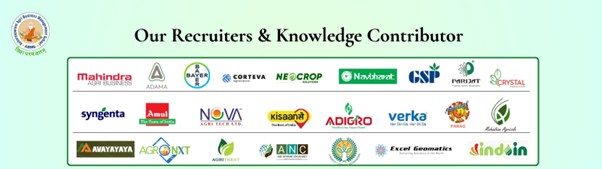
What are the top recruiters?
Recruiters may include Agri-Tech companies, food processing organizations, FMCG companies, financial institutions, agribusiness firms, consulting companies, input manufacturers and export houses.
Does Agribusiness have international opportunities?
Yes. Professionals work across international trade, food exports, commodity markets, sustainability, consulting and multinational agribusiness organizations.
Is entrepreneurship possible after an MBA in Agribusiness?
Absolutely. Many graduates establish ventures in food processing, farm services, digital agriculture, exports, agri-inputs and technology-enabled agriculture.
Why Students Should Look Beyond Rankings
Rankings can serve as a useful starting point, but they should never be the only factor influencing your decision.
A college that offers strong mentorship, meaningful industry exposure, experiential learning, and consistent placement support may be a better fit than an institution with a higher ranking but limited practical engagement.
Students should visit campuses, interact with alumni, speak to faculty members and understand the learning culture before making a final decision.
Acharyapuram Agri Business Management School: Preparing Professionals for the Future
As the Agribusiness sector evolves, institutions must prepare students not only for today’s jobs but also for tomorrow’s opportunities.
Acharyapuram Agri Business Management School (ABMS) aims to create industry-ready professionals through a balanced approach that combines academic learning with practical application. The emphasis on experiential learning, corporate interaction, field exposure and professional development helps students build the confidence required to succeed in a competitive business environment.
For aspiring Agribusiness professionals, the focus should always be on choosing an institution that supports continuous learning, industry engagement and long-term career development. Evaluating these aspects carefully will help students make an informed decision that aligns with their aspirations.
Conclusion
India’s agricultural landscape is changing rapidly, creating exciting opportunities for professionals who can combine business acumen with an understanding of the agri-food ecosystem. From technology-driven farming and food processing to exports, consulting and rural marketing, the scope of Agribusiness has expanded far beyond traditional boundaries.
Choosing the right MBA in Agribusiness is therefore not just about earning a degree—it’s about selecting a learning environment that nurtures leadership, practical skills, innovation and industry readiness.
Whether your ambition is to lead a multinational agribusiness company, launch an Agri-Tech startup, strengthen India’s food value chain or contribute to sustainable agricultural development, the journey begins with the right education.
Take the time to evaluate institutions thoughtfully, compare opportunities objectively and choose a programme that aligns with your long-term vision. The future of Agribusiness belongs to professionals who are prepared to innovate, adapt and lead—and the decisions you make today can shape that future.
Final Takeaway
An MBA in Agribusiness is more than a postgraduate qualification. It is an opportunity to become part of one of India’s most dynamic and impactful industries. With the right institution, practical exposure and commitment to continuous learning, students can build rewarding careers while contributing to the growth of agriculture, food systems and rural economies.
The future of Agribusiness is already unfolding—and the next generation of leaders has an opportunity to shape it.